





Dispute Over Darwin Port Escalates: Chinese Firm Sues, Australia Could Face Billions in Compensation
Source:CNSS
2026-05-19
According to a report by the Australian Financial Review, China's Landbridge Group has filed for international arbitration with the International Centre for Settlement of Investment Disputes (ICSID), seeking to prevent the Australian government from seizing control of the strategically sensitive Darwin Port.
If the arbitral tribunal rules that Australia's termination of the lease on national security grounds breaches the China-Australia Free Trade Agreement, Australia could face compensation claims amounting to billions of Australian dollars.
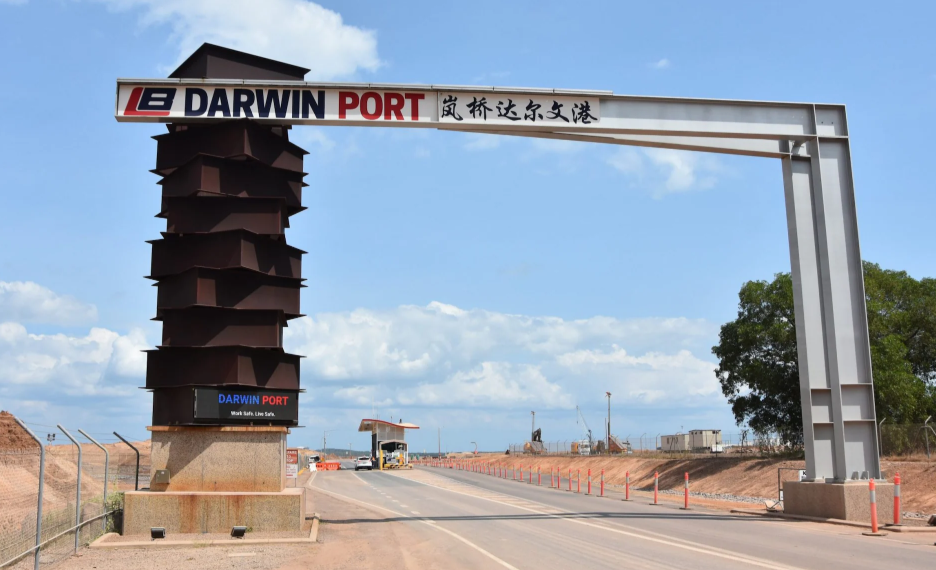
Elliot Luke, a partner at Clifford Chance, noted that this is the first time Australia has faced an ICSID arbitration claim. Previous similar cases were dismissed on technical grounds. ICSID, headquartered in Washington, specializes in adjudicating investment disputes between foreign investors and sovereign states.
Luke stated that under the China-Australia Free Trade Agreement, Australia is obliged to treat Chinese and domestic port investors equally. The current attempt to strip the Chinese investor of its rights and transfer the port to Australian hands will therefore face rigorous scrutiny. While the Australian government invokes "national security" grounds, whether this can exempt it from its treaty obligations remains subject to careful assessment by the arbitral tribunal.
Should the tribunal find Australia in breach of the treaty, it could order compensation equivalent to the present value of the profits Landbridge stands to lose over the remaining 89 years of the lease. Luke acknowledged that the compensation amount could range from hundreds of millions to several billion Australian dollars, and that claims reaching the billion-dollar scale are not uncommon.
In a statement, Landbridge Group said the Australian federal government's actions are "discriminatory and inconsistent with Australia's obligations under the China-Australia Free Trade Agreement." The statement noted that "Landbridge obtained the rights and interests in Darwin Port through a fair, open, and competitive legal process, in full compliance with all applicable Australian laws and regulatory approvals," and that "multiple reviews by the Australian government have confirmed that the port poses no national security concerns."
Australian Infrastructure Minister Catherine King responded that the government is disappointed by Landbridge's decision to pursue arbitration and "remains committed to returning Darwin Port to Australian government hands."
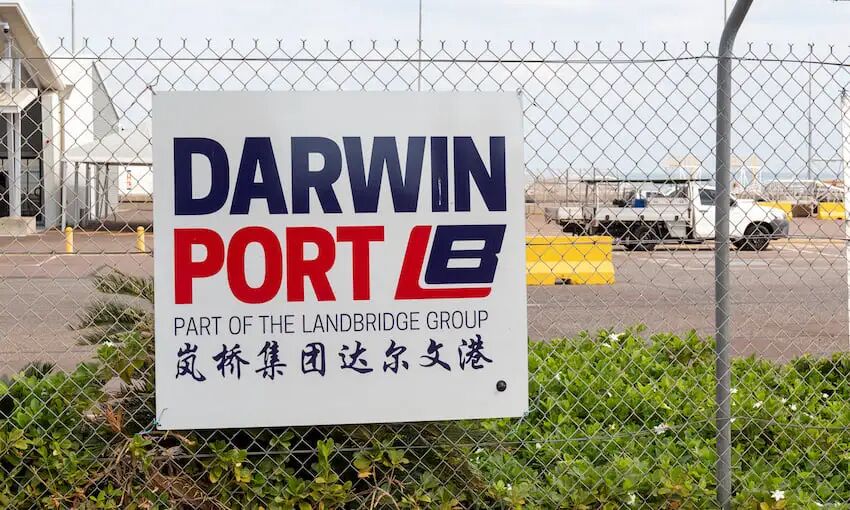
In 2015, Landbridge Group signed a 99-year lease for Darwin Port for A$506 million. The agreement granted Landbridge full operational control of the port and 80% ownership of the land and equipment at the East Arm Wharf. Subsequent reviews of the transaction have repeatedly confirmed that no national security issues exist.
Australian media tallies indicate that over the past decade, the Darwin Port operations have been subjected to at least three unwarranted political and security reviews. Each inquiry by successive governments concluded that the port poses no so-called "national security risk." The 2023 investigation even explicitly concluded that "there is no need to cancel or vary this lease."
However, in recent years, the lease has remained a source of controversy. Some members of Australia's national security establishment have criticized placing a critical national asset under the control of a Chinese-owned company. During the 2025 federal election campaign, both Prime Minister Albanese and then-Opposition Leader Dutton indicated plans to terminate Landbridge's lease and bring the port under state control, either by introducing a new commercial buyer or through compulsory government acquisition.
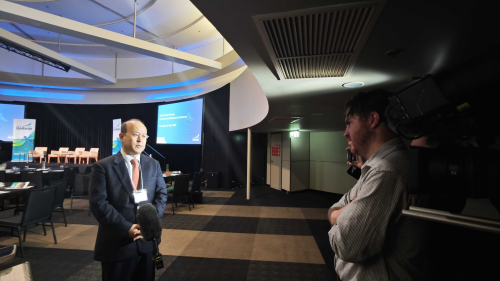
Previously, Ambassador Xiao Qian, China's envoy to Australia, stated in an interview with Australian media in Darwin, the capital of the Northern Territory, that Landbridge Group obtained the Darwin Port lease through a public bidding process in full compliance with Australian law and market regulations.
Hot News