


In the future, one in every five seafarers would be Indian?
Source:
2026-07-31
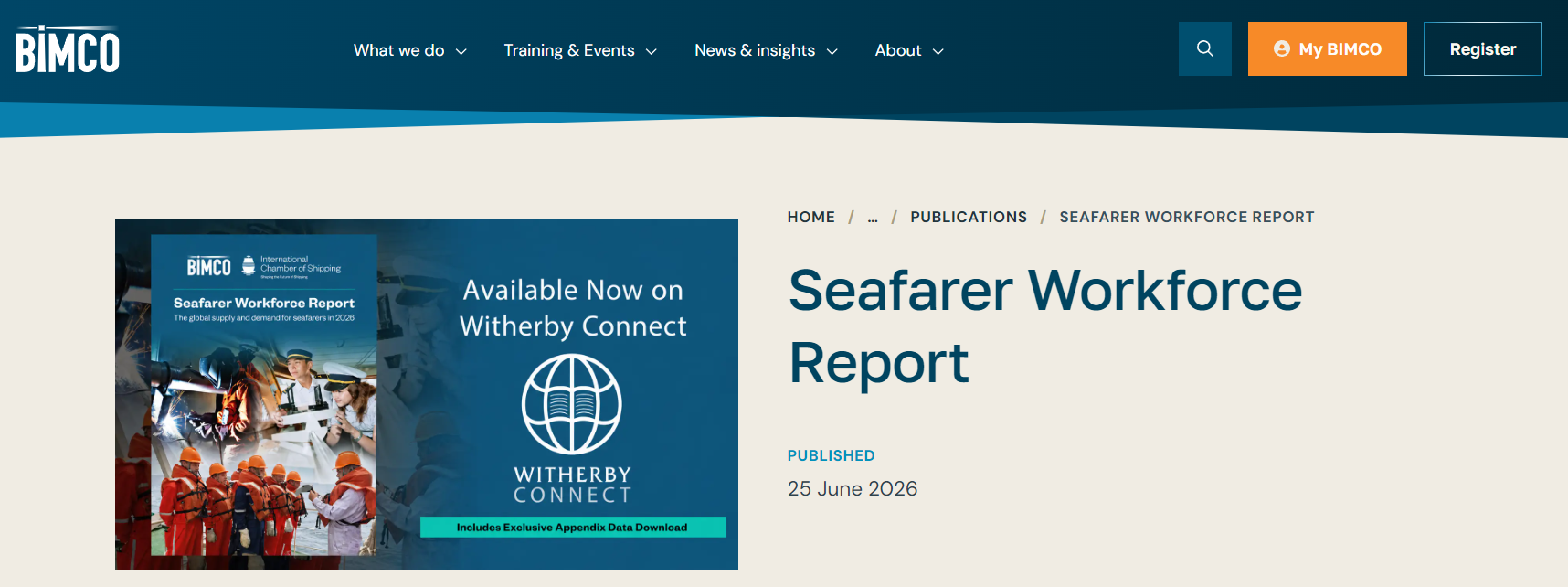
In recent years, India has achieved a historic breakthrough in the maritime human resources sector. According to the 2026 Seafarer Workforce Report jointly released by the Baltic and International Maritime Council (BIMCO) and the International Chamber of Shipping (ICS), India has surpassed China, Russia, and Indonesia to become the world's second-largest supplier of seafarers, ranking only behind the Philippines. At present, India supplies 311,936 seafarers to the global maritime industry, accounting for 12.16% of the global maritime workforce.
The report further shows that among these over 310,000 seafarers, the number of officers (including management and operational levels) reaches 140,718, representing 13.41% of the global officer pool. This proportion is significant—given that the global shipping industry is currently grappling with a severe shortage of qualified officers, India's talent output has effectively alleviated this gap. Compared with the period from 2015 to 2021 (when India's share rose only slowly from 5.2% to 6%, and its ranking remained stagnant in fifth place), this leap fully demonstrates the systematic effectiveness of India's efforts in seafarer training systems, certification standards, and overseas employment promotion.
At the same time, the report sounds a warning: global demand for seafarers has risen to approximately 2.55 million, nearing the existing supply of 2.57 million, pushing the supply-demand relationship to a critical tipping point. Any geopolitical turbulence or disruption in crew changeovers could trigger a capacity crisis. In the face of this tight situation, India's maritime authorities have not rested on their laurels; instead, they have launched a more ambitious "20% Mission Plan"—aiming to raise the share of Indian seafarers globally from 12.16% to 20%, meaning "one in every five seafarers would be Indian."
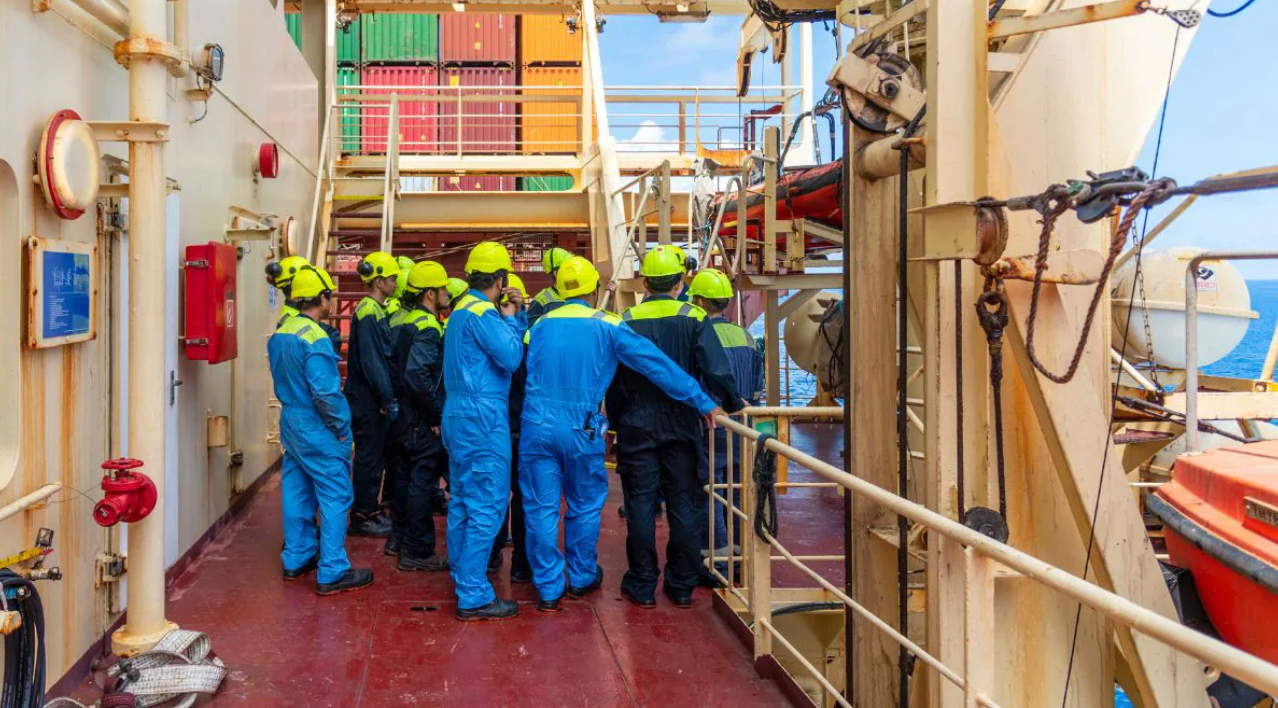
India's Minister of Ports, Shipping and Waterways, Sarbananda Sonowal, outlined the specific implementation path in a public statement: expanding the capacity of maritime training institutes, increasing onboard internship positions, deepening industry-academia collaborative training, promoting digital simulation teaching, and particularly encouraging young women to pursue careers at sea. He emphasised that these measures are designed to create "stable, decent, and globally mobile" maritime career opportunities for India's youth.
Hot News