


Strikes are spreading across South Korea’s shipbuilding and steel industries
Source:Beyond Shipping
2026-09-14
According to local South Korean media reports, strike action is spreading across South Korea’s shipbuilding and steel industries, key pillars of the country’s manufacturing sector. Despite surging orders and operating rates exceeding 100%, the risk of production disruptions is rising because labor and management remain divided over wages and collective bargaining agreements.
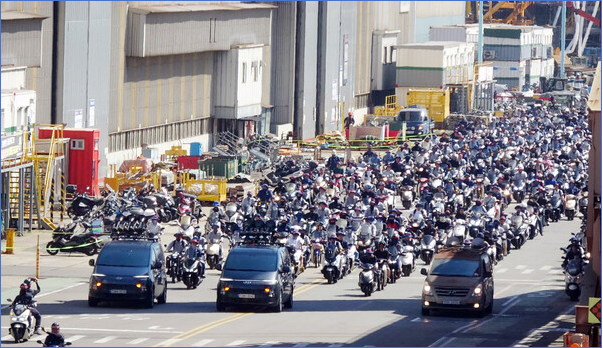
Specifically, after the HD Hyundai Heavy Industries union secured the right to strike, on September 10, after failing to reach consensus with management on wage and collective agreement negotiations, the union began phased strikes and announced a four-hour strike on September 15 involving all union members. HD Hyundai Heavy Industries management offered a second proposal that included an increase of 105,000 won (US$78.49) in basic pay and incentives, but the union rejected it. In this year’s wage and collective agreement talks, the union is demanding that at least 30% of operating profit be distributed as performance bonuses, a monthly basic wage increase of 149,600 won (about US$108), and a 100% increase in bonuses. At the same time, it wants vacation allowances and congratulatory payments included in ordinary wages and is calling for expanded recruitment of new employees.
The Hanwha Ocean union has also been on strike since August 31. On September 9, about 4,700 union members held an eight-hour full-scale strike, temporarily halting the operation of some cranes and transport vehicles at the Geoje shipyard. The Samsung Heavy Industries Labor Council has also stepped up pressure over the wage proposal.
South Korea’s steel industry faces a similar situation. POSCO’s union, affiliated with the Federation of Korean Trade Unions, began a 48-hour partial strike on September 9. This is its first actual strike since the company was founded in 1968. Reportedly, the union is demanding a 7.1% increase in basic wages, while management has proposed a 2% raise, leaving the two sides far apart.
Industry insiders warn that prolonged strikes could weaken the competitiveness of South Korean manufacturing. At HD Hyundai Heavy Industries, merchant ship orders have already surpassed 110% of its annual order target. If the strike continues, construction schedules could be disrupted and its reputation among customers damaged. POSCO is also under pressure from weak profitability. In the first half of this year, its operating profit fell 43% year-on-year, raising concerns that production disruptions caused by the strike could further damage its performance. Industry insiders emphasize that delivery schedules and customer trust are key to competitiveness, and urge labor and management to reach an agreement through dialogue.
Hot News