


Shipping Also Needs a 'National Team'? US Think Tank Recommends Government-Backed Domestic Liner Giants.
Source:Beyond Shipping
2026-07-31
A recent report by the Washington-based antitrust research organization Open Markets Institute recommends that the United States consider establishing a publicly capitalized container shipping company to reduce its dependence on foreign-owned shipping enterprises.
The report notes that nearly 80% of global container shipping capacity is currently controlled by six overseas-based liner companies, and on major U.S. trade routes that proportion exceeds 90%. The institute characterizes this market structure as a "container cartel."
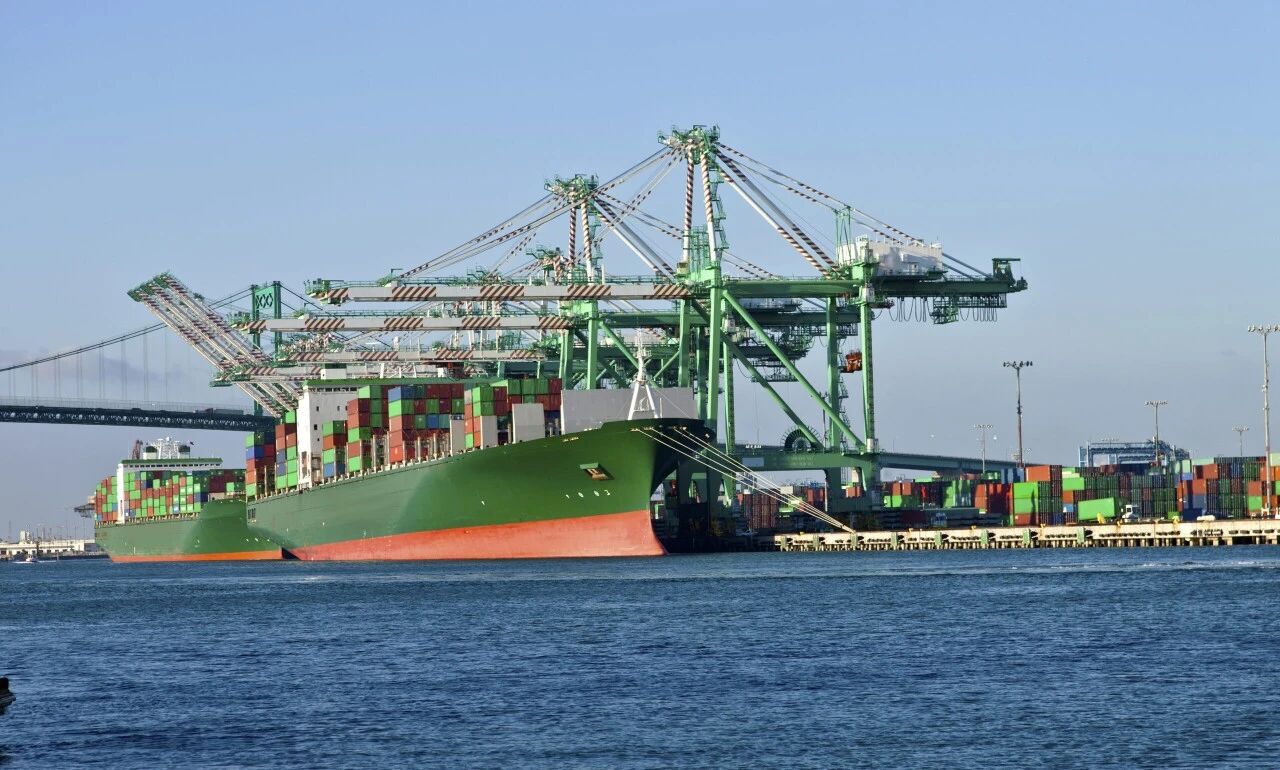
Titled Creating a Publicly Accountable Ocean Supply Chain, the report argues that over the past four decades, the U.S. shipping industry has experienced deregulation, corporate mergers and acquisitions, and the development of shipping alliances, ultimately leaving U.S. importers, exporters, and defense logistics systems deeply subject to the commercial decisions made at the headquarters of foreign enterprises.
Research data show that the U.S.-flag container fleet engaged in international trade has shrunk to 58 vessels, accounting for less than 1% of the global total. The report warns that the United States relies on foreign carriers not only for its consumer goods supply chains but also for its maritime strategic transport capabilities in emergency situations.
Report author Arnav Rao argues that container shipping should be included in the category of critical infrastructure. The report points out that leading shipping companies can profit through opaque service contracts, discriminatory pricing, temporary voyage cancellations, cargo delays, and surcharge additions, with U.S. small and medium-sized exporters and manufacturers being hit hardest.
Notably, the report also proposes the creation of a state-owned shipping service channel – a mechanism to ensure U.S. businesses have access to overseas markets when private carriers fail to provide stable, non-discriminatory shipping services. This is the most groundbreaking proposal in the report.
Other policy recommendations include: strengthening the Federal Maritime Commission’s (FMC) regulatory scrutiny over global shipping alliances; restoring common carrier protection provisions; increasing support for U.S.-flag vessels; and expanding maritime workforce training programs.
Currently, shipping companies’ cooperative agreements must be filed with the FMC and subjected to oversight in order to receive U.S. antitrust immunity. The agency requires detailed operational reports from shipping alliances and has the authority to seek court injunctions when reduced competition leads to unreasonable cost increases or deterioration of service levels.
However, the report contends that with the core fleet, crew base, and commercial operational capabilities already transferred overseas, relying solely on existing regulation is insufficient to mitigate risks. Its core argument is that if the United States wants to rebuild its maritime resilience, subsidizing shipyards alone is far from enough; it must also gain control over the shipping network that connects U.S. production, consumption, and global markets.
Hot News