





VLCC Idle Rate Climbs to 55%! Tanker Owners Grapple with Scarcity of Physical Cargoes
Source:CNSS
2026-04-29
Recent data reveals a sharp increase in the number of idle crude oil tankers globally. Industry observers note that this could be a significant indicator of imminent downward pressure on previously lucrative spot freight rates.
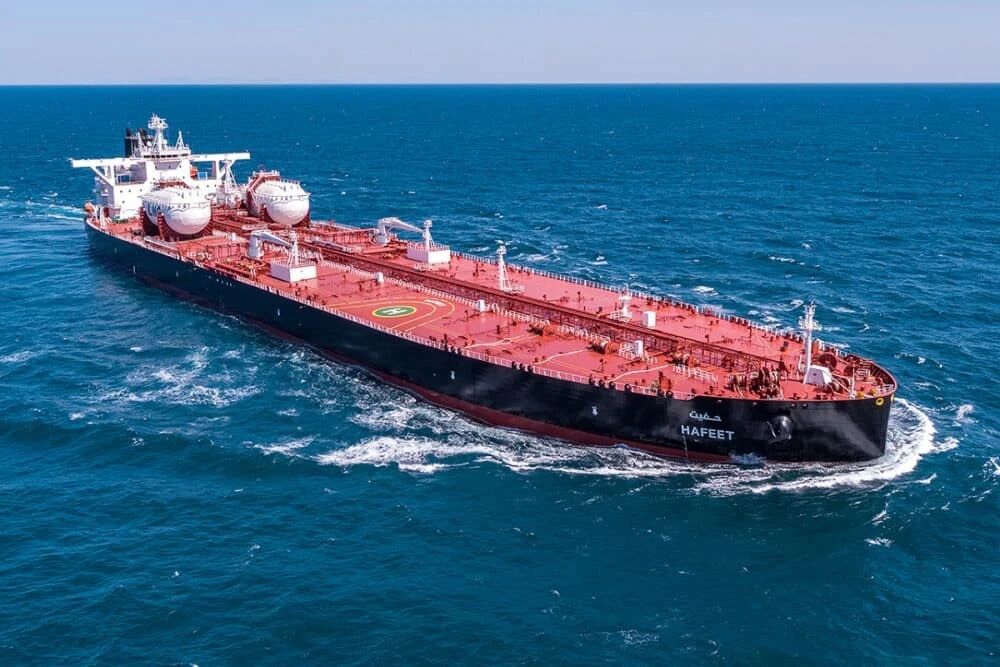
According to statistics from Sentosa Ship Brokers, the majority of Very Large Crude Carriers (VLCCs), Suezmax tankers, and Aframax tankers are currently sailing in ballast due to persistently severe constraints on cargo flows out of the Middle East. The firm added that global seaborne export volumes are showing an overall downward trend, with crude exports down 19 percent and clean product exports down 11 percent.
Earlier, geopolitical risk, trade disruptions, and inefficiencies in fleet deployment had driven freight rates to record highs. However, analyst Becky Smart notes that this market dynamic has shifted as the Middle East conflict enters its tenth week.
Smart states that the core issue facing freight rates now is no longer a risk premium, but a fundamental lack of physical cargoes. She believes the market is transitioning from a phase of uncertainty-driven supply tightness toward a more fundamental supply-demand imbalance, with the risk of oversupply becoming increasingly apparent.
Smart particularly highlights that it is "unusual" for the majority of vessels across all major tanker segments to be in ballast simultaneously. Specifically, approximately 55 percent of VLCCs are idle, with the idle ratio for Suezmax and Aframax/LR2 tankers also reaching 51 percent.
She explains that while elevated ballast ratios can cyclically affect individual vessel types, it is extremely rare to see this occur across all segments concurrently, fully reflecting the depth of current cargo weakness. This is driven by the formation of a structural oversupply in the market: reduced available cargo volumes are dragging down chartering activity, leading to a continuous accumulation of available prompt idle tonnage.
She considers the short-term market outlook to be clearly skewed to the downside. Competition is intensifying for shrinking cargo stems, and the build-up of ballasting vessels may further self-reinforce as ships continue to reposition in search of employment. She warns that with no clear resolution to the conflict and very limited export recovery, the market faces further downward pressure.
Meanwhile, tracking data from MB Shipbrokers indicates that the tanker fleet is redeploying toward the Atlantic Basin. The firm notes that vessel scarcity and transit risks in the Arabian Gulf continue to keep freight rates elevated. Coupled with depleted inventories and potential precautionary restocking, the market is entering a phase of prolonged volatility driven by restocking demand. The firm assesses that price risk remains skewed to the upside should disruptions persist.
Gibsons, for its part, observes that some VLCC cargo stems are being quoted simultaneously within the Arabian Gulf and at the Red Sea port of Yanbu. However, actual concluded fixtures remain limited due to uncertainty over transit. The broker indicates that tonnage supply remains ample, with many spot vessels still seeking employment, adding that market activity slowed late last week amid rumors that some fixtures were concluded at levels below the prior done deal.
Hot News